This event includes a conversation with filmmaker James Carson.
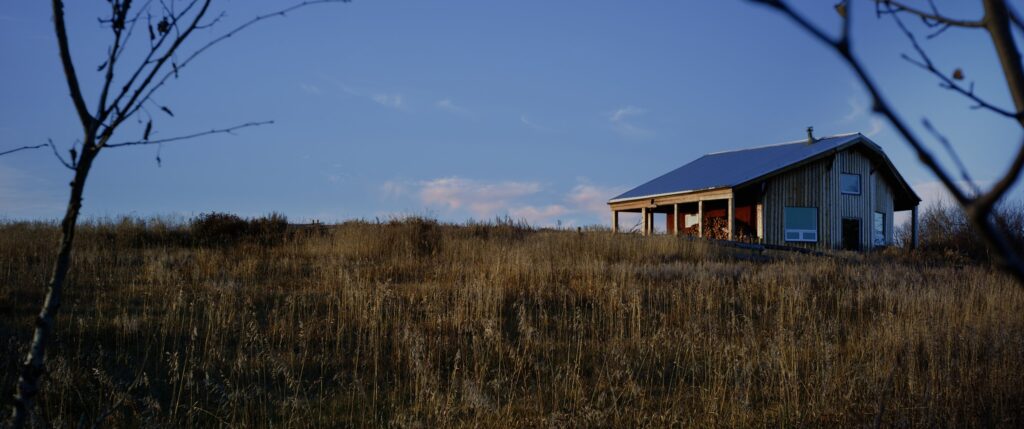
After walking away from the New England Conservatory in Boston, James Carson backpacks overland from Spain to Japan. At the center of the story is the unusual off-grid cabin in the Canadian wilderness that James designs and builds by hand upon his return. It is here, away from everything, that the lived experiences and myriad threads interweave and a new form of music emerges.
“A supremely immersive experience.” — American Society of Cinematographers
“A lyrical, genre-defying feast for the senses, Cabin Music is a testament to the twin transcendent powers of music and nature.” — DOC NYC
“A stunning musician.” POV Magazine
“A quest to create sounds that reflect the magnificence of nature.” — Times of India
CLICK HERE FOR THE FULL FESTIVAL LINEUP
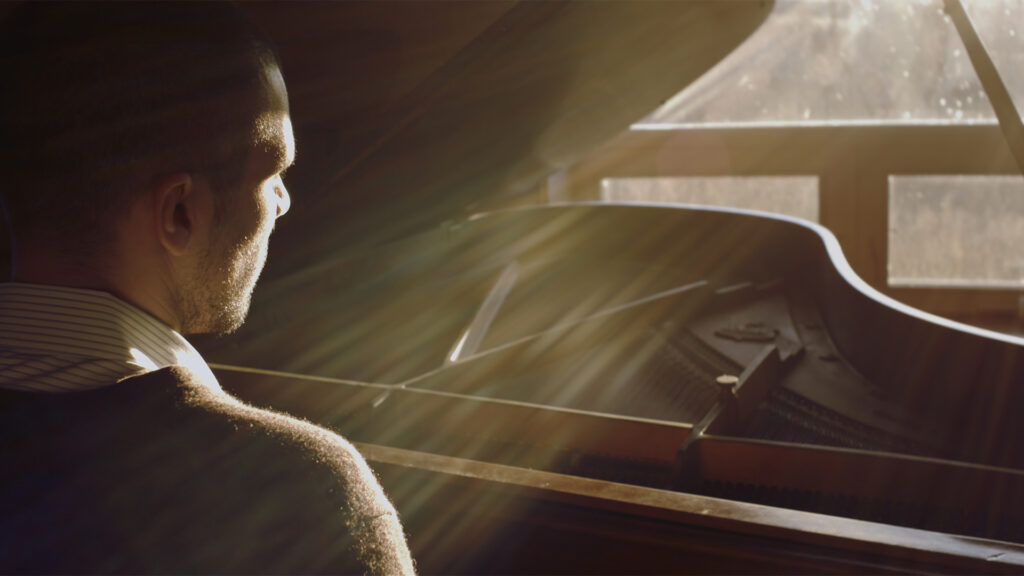
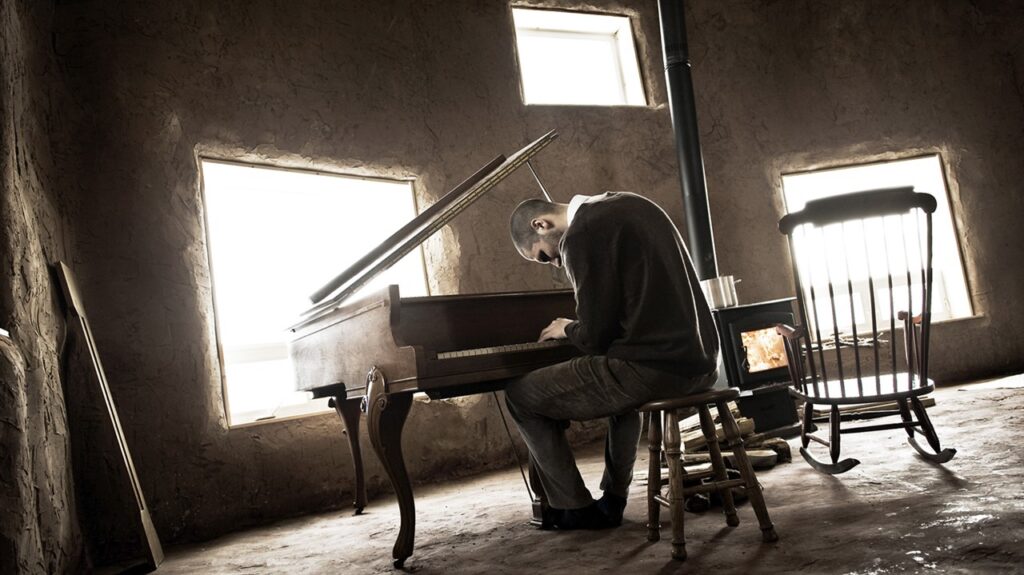

Pianist James Carson has developed a new form of music and over the last twelve years has produced and directed Cabin Music, a feature film, to share it with the world.
A childhood prodigy born with perfect pitch, Carson composed complete songs at age four and had his music performed by the Edmonton Symphony Orchestra at age sixteen, leading him to be called “one of the most gifted rising stars” by the Edmonton Journal. When he attended the New England Conservatory, however, his studies with Joe Maneri, Cecil Taylor, and the poet Robert Creeley led him to a dramatic life change: he walked away from music and spent two years backpacking and farming overland from Spain to Japan. After his return to Northern Alberta, Canada, he then spent five years designing, building, and practicing in a remote strawbale cabin. The musical result was multilayered, detailed, meditative, and harmonious. “I wanted to play the whole piano at once,” says Carson, “in the same way that a single breeze can cause the entire forest to dance and tremble in unison.”
Praised by Pulitzer-Prize-winning composer Milton Babbitt, who wrote of his “astonished joy” in response to Carson’s “exceptional pianism”, and by his teacher Robert Creeley, who called him a “genial genius”, Carson has been labeled a “meditative… piano texturalist” (Time Out New York), who creates “trance-inducing… shimmering arpeggiated figures, played with such speed as to invoke Coltrane-esque ‘sheets of sound’” (Feast of Music), on a “quest to create sounds that reflect the magnificence of nature” (Times of India). Carson creates wholly new music with each performance by removing his own intentions and instead receiving and channeling all forces and influences at the piano, both within and beyond the performance space, resulting in “delicate music surrounded by the aura of silence.” (Boston Phoenix). He lives in New York and returns regularly to his cabin.