Cavalleria Rusticana
Adapted from the short story written by Giovanni Verga, Cavalleria Rusticana is a one-act opera considered one of the classics of verismo opera. The opera was composed by Pietro Mascagni, with a libretto by Giovanni Targioni-Tozzetti, as part of an 1888 competition by Milanese publisher Edoardo Sonzogno. After winning the competition, the opera enjoyed a successful performance history throughout Europe and the United States, often paired with Ruggero Leoncavallo’s Pagliacci.
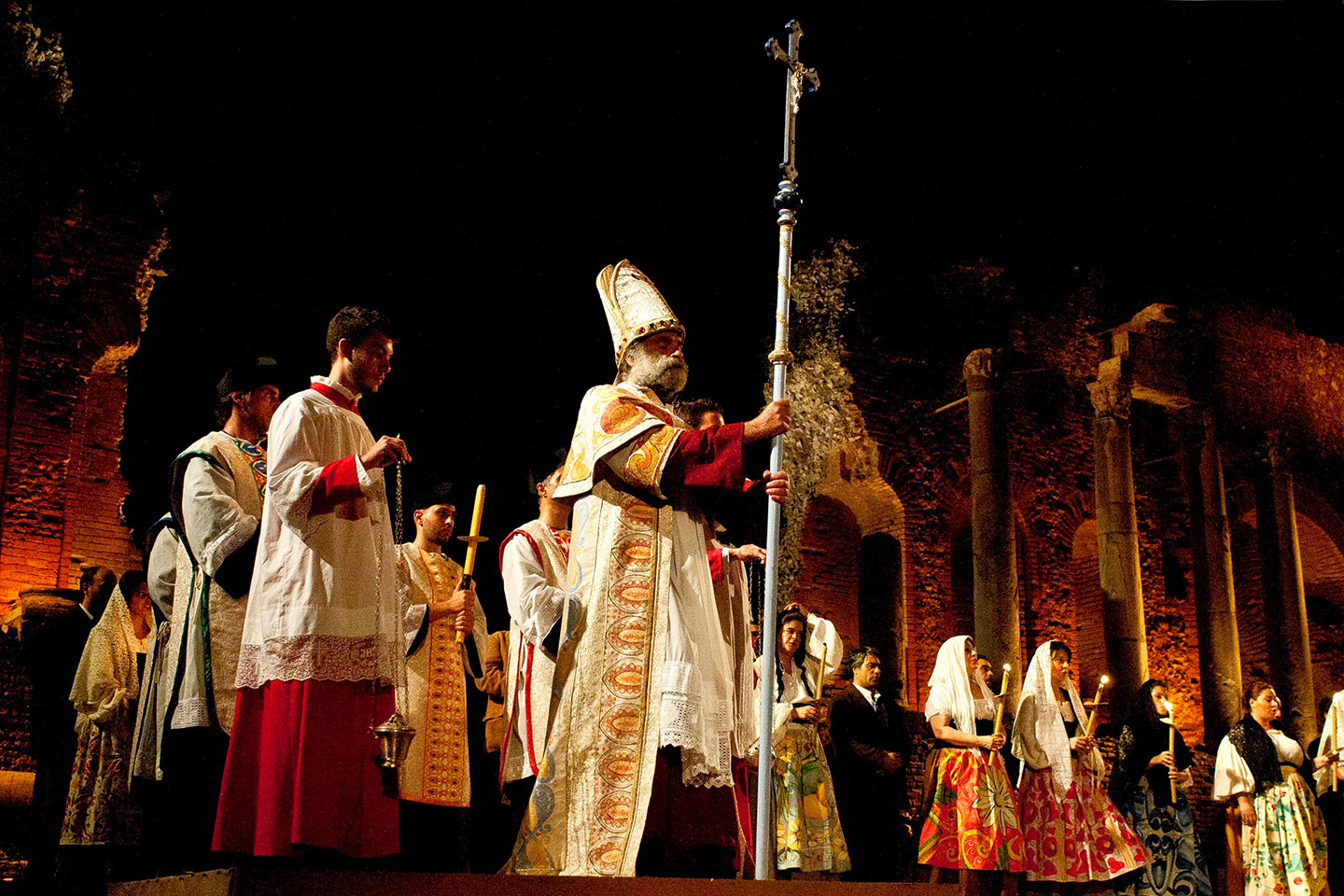
The opera begins with a prelude, in which Turiddu sings a serenade for Lola, the girl to whom he had been engaged before joining the army. Upon his return, he discovers Lola has married the well-off teamster Alfio. In revenge, Turiddu seduced Santuzza, a young woman in the village. As the opera begins, Lola, overcome by her jealousy of Santuzza, has begun an adulterous affair with Turiddu.
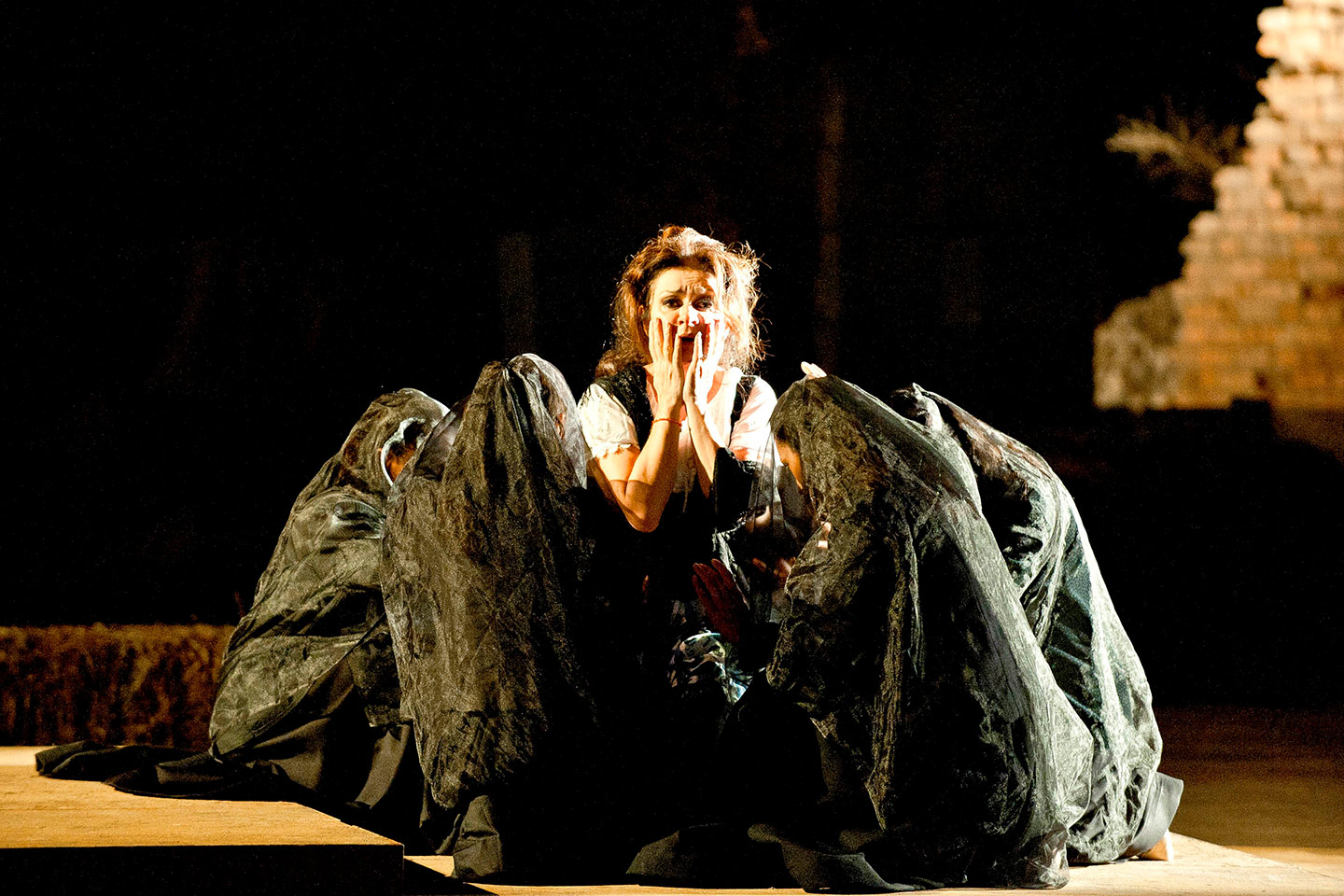
Santuzza, suspicious of Turiddu’s affair, searches for him at his mother’s house. At first, Mamma Lucia rejects Santuzza, asking her to leave Turiddu in peace. However, when Santuzza reveals Turiddu has lied about leaving the village that evening, Lucia invites Santuzza to continue the conversation in privacy. At that moment, Alfio arrives, singing of the joys of his life as a teamster and of his happy marriage.
Meanwhile the crowd fills the square and the Easter procession forms, to be followed by solemn mass in the church. Because of her scandalous behavior with Turiddu, Santuzza cannot enter the church and, when Mamma Lucia attempts to leave her, she breaks into tears and tells Mamma Lucia how desperately she loves Turiddu, who had seduced her only to console himself after Lola’s marriage and who still gives his heart to Lola, who in turn still loves him and is openly betraying her husband. As Mamma Lucia goes into the church, she is filled with foreboding.
Santuzza, left alone, sees Turiddu coming and confronts him. After attempting to deny his relationship with Lola, he begins to quarrel angrily with Santuzza. Santuzza also progresses from reasonable accusation to anger, humiliation and pleas for pardon. At this point, Lola arrives, singing a mocking song dedicated to Turiddu. When she sees the two, she stops for a moment to ask Santuzza maliciously why she never goes to mass. «Only those who know themselves to be without sin should go», Santuzza retorts angrily.
As Turiddu and Santuzza continue to quarrel, Alfio arrives. Santuzza, in a frenzy, reveals the liaison between his wife and Turiddu. Alfio listens with cold fury, and when he understands that Santuzza is telling him the truth, he swears to avenge his honor. After mass, Alfio challenges Turiddu to a duel. Following Sicilian custom, the two men embrace, and Turiddu bites Alfio’s ear, signifying a fight to the death.
The appointment is made to meet immediately in the nearby gardens just outside the village. Before going off to meet his rival, Turiddu begs his mother to bless him, just as she did on the day he left for the army. The poor woman doesn’t understand his impassioned demand, but Turiddu doesn’t give her time to ask any questions and says he has had too much to drink. He also begs her, if he should not return, to be a mother to Santuzza, who is alone in the world and who has been disgraced by him. Then he kisses her several times and runs out of the town.
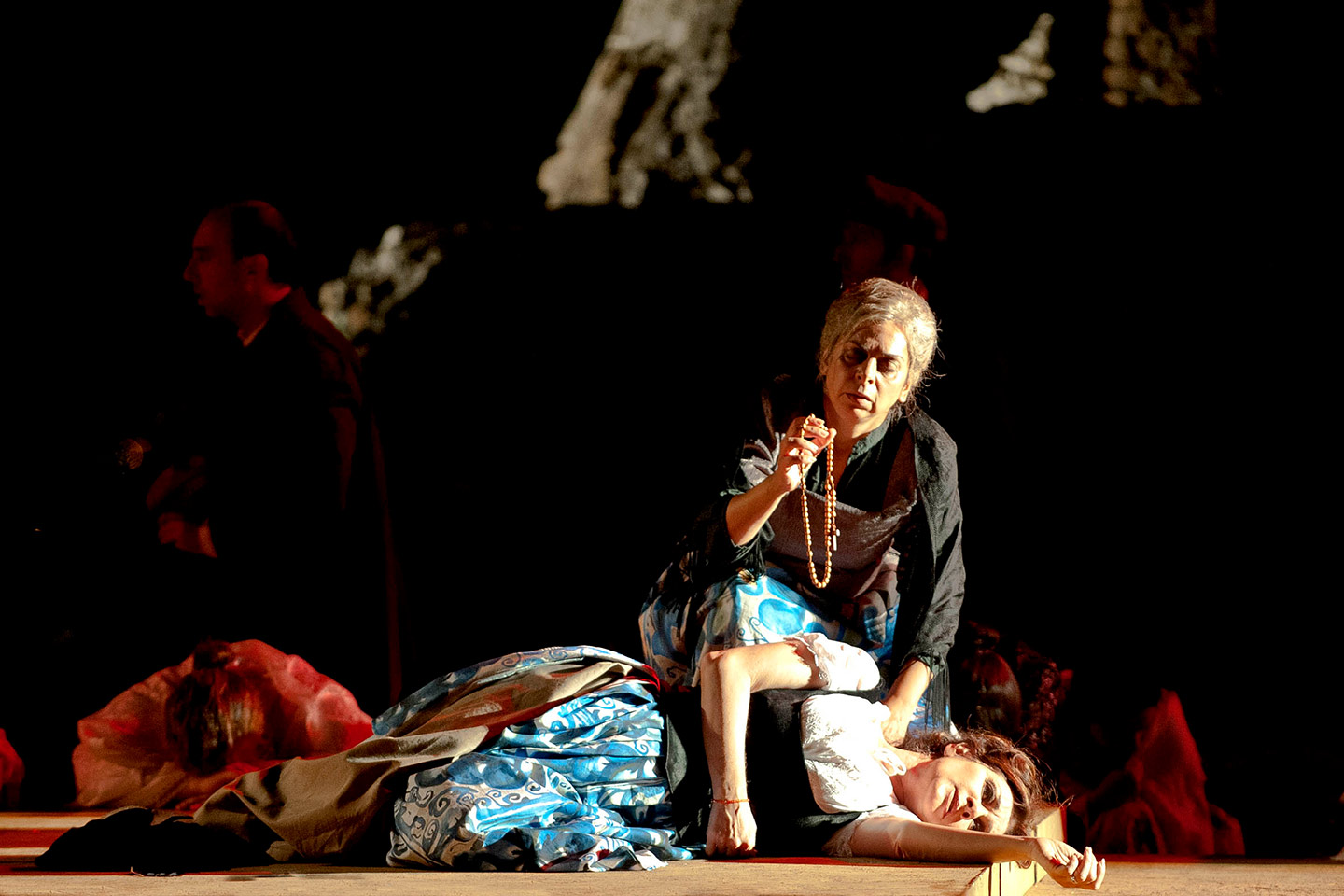
A few minutes later, it is all over. From the lanes an indistinct murmur is heard and then a wild cry from a woman rushing into the square: «Turiddu has been killed!». Santuzza and Lucia collapse into the arms of the other villagers.
Pagliacci
Inspired by the success of Pietro Mascagni’s Cavalleria Rusticana, Ruggero Leoncavallo decided to compose a verismo opera based on the true events of an 1865 murder. The opera was instantly successful with the public, and was first performed as a double-bill with Cavalleria Rusticana on December 11, 1893 at the Metropolitan Opera.
To subscribe to the entire Opera/Ballet Series and get your discount please click this link
Prologue
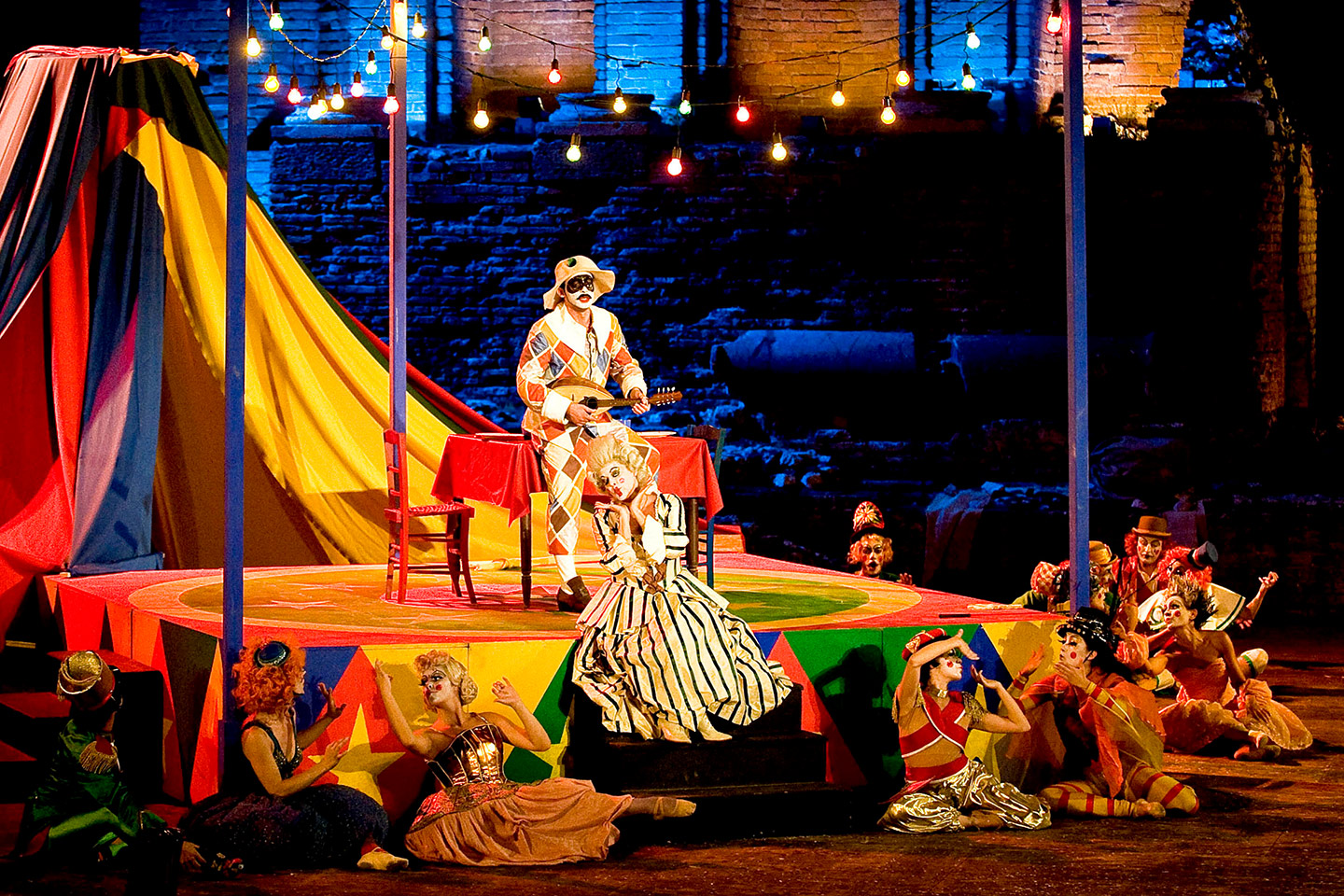
Tonio comes to the stage curtain and asks the audience to meditate on a new theme which the Author has invited him to enact. In reintroducing the time-honored masks of the Commedia dell’arte, it is not his intention, he explains, to follow the old custom of maintaining that their sentiments are purely fictitious, without any bearing on reality. On the contrary, their passions and tears can at times be all too realistic. The Author therefore wishes to affirm that the artist is a man and must write for men. Aside from theatrical conventions, it is up to the audience to enter into the profoundly human spirit of the characters whom they are about to see played upon this stage. This prologue may thus be considered the manifesto of verist opera.